Let’s take a look back at Sand Lake Hills in 1985
Located in the heart of Dr. Phillips, Sand Lake Hills is an established neighborhood in unincorporated Orange County, just southwest of downtown Orlando. Today, it sits within one of Central Florida’s most recognizable communities, surrounded by the restaurants of Sand Lake Road, the tourism and entertainment corridor of International Drive, and a part of Orlando with deep connections to the performing arts.
Just outside the neighborhood, Dr. Phillips High School is home to Orange County Public Schools’ Visual and Performing Arts Magnet, while the larger Dr. Phillips name is woven throughout Orlando’s cultural landscape, most visibly at the Dr. Phillips Center for the Performing Arts downtown.
But more than 40 years ago, much of the Dr. Phillips we know today was still taking shape.
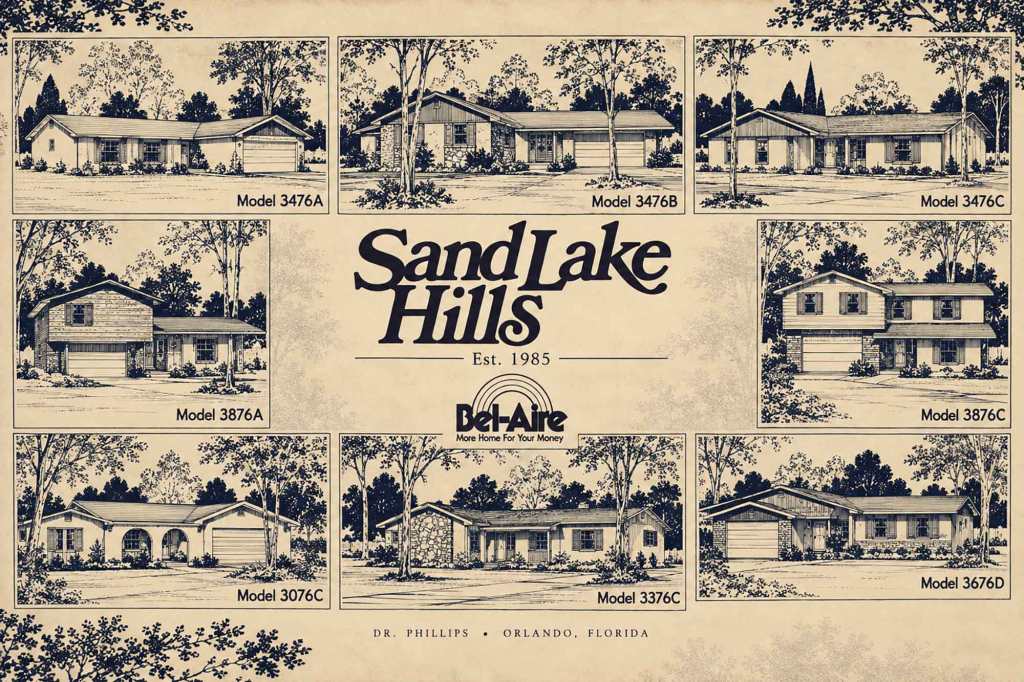
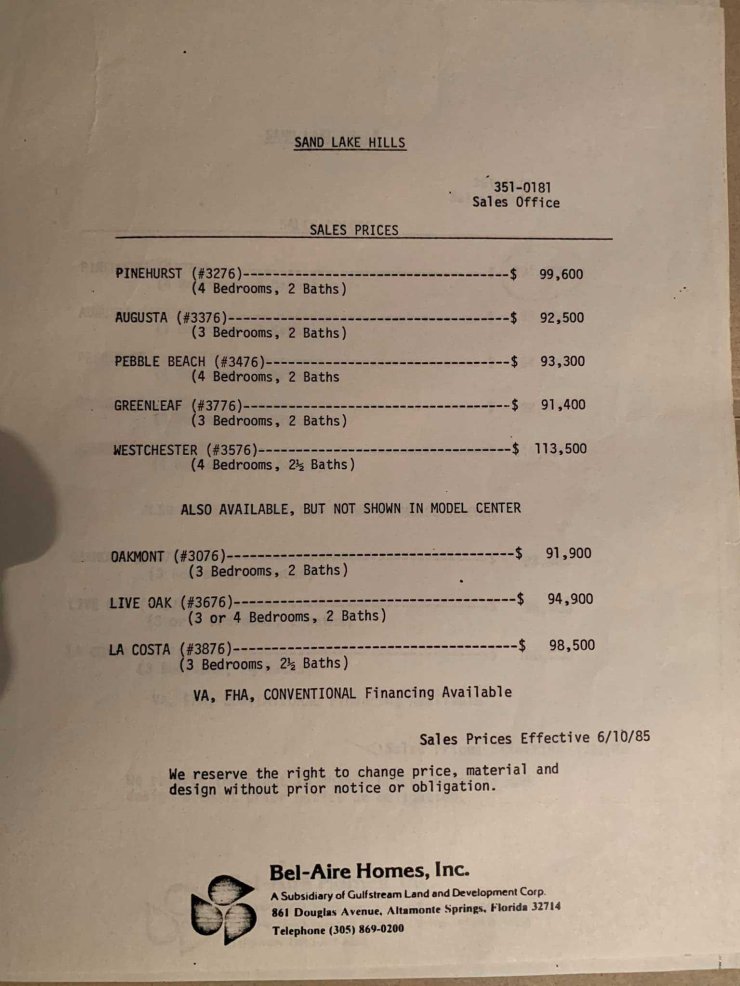
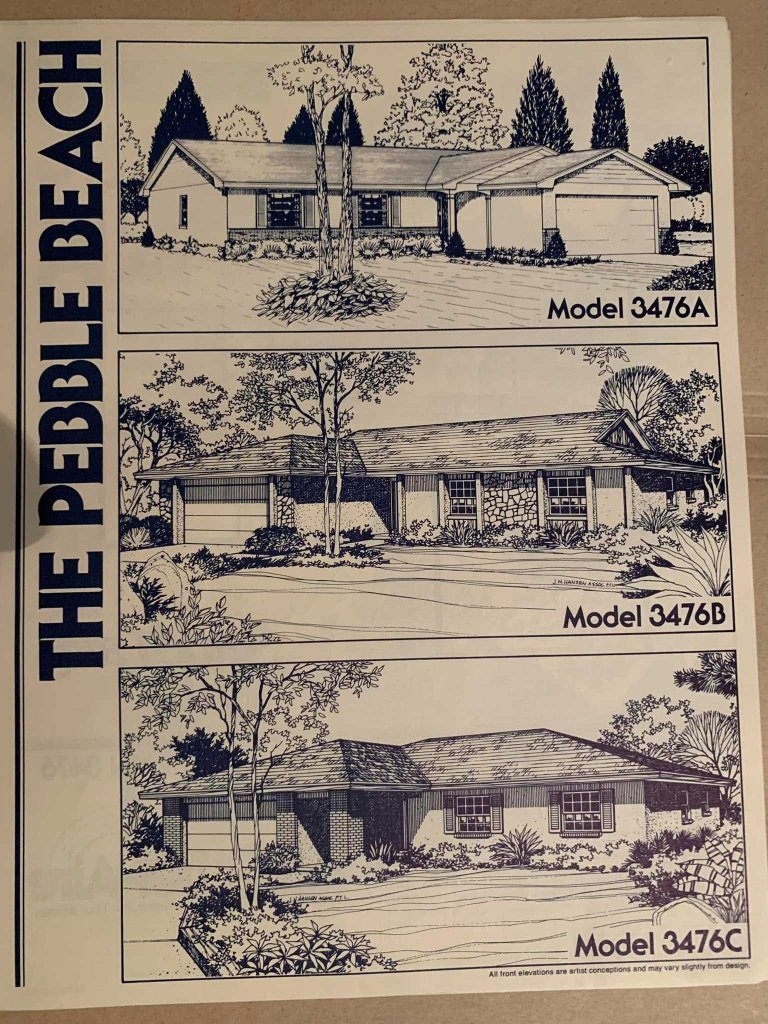
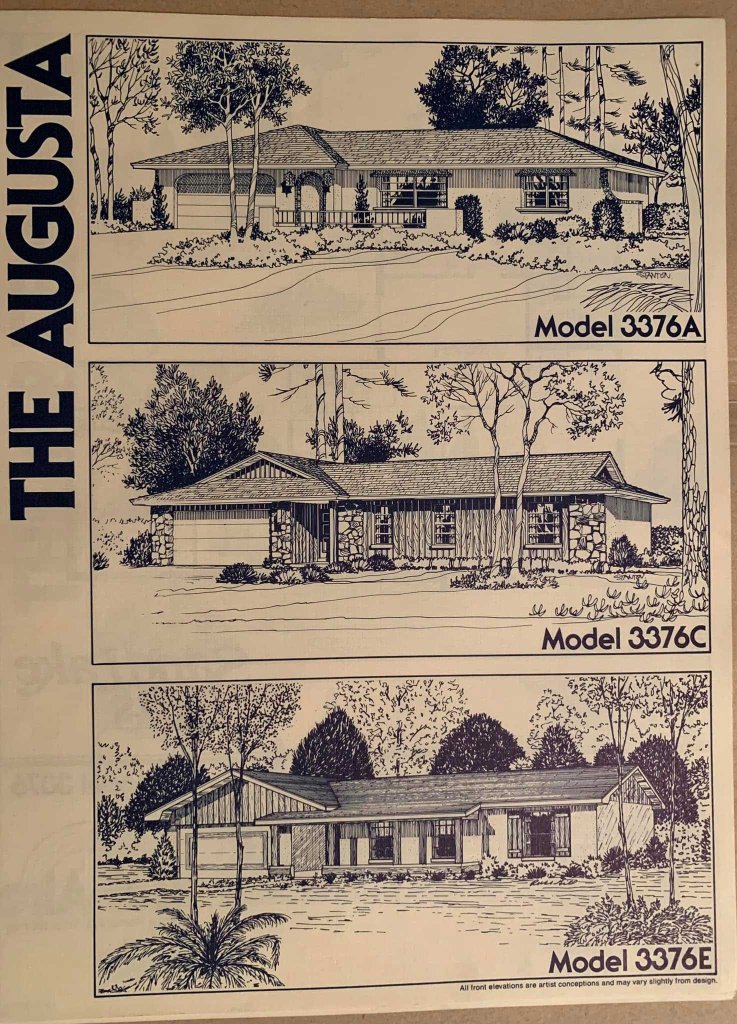
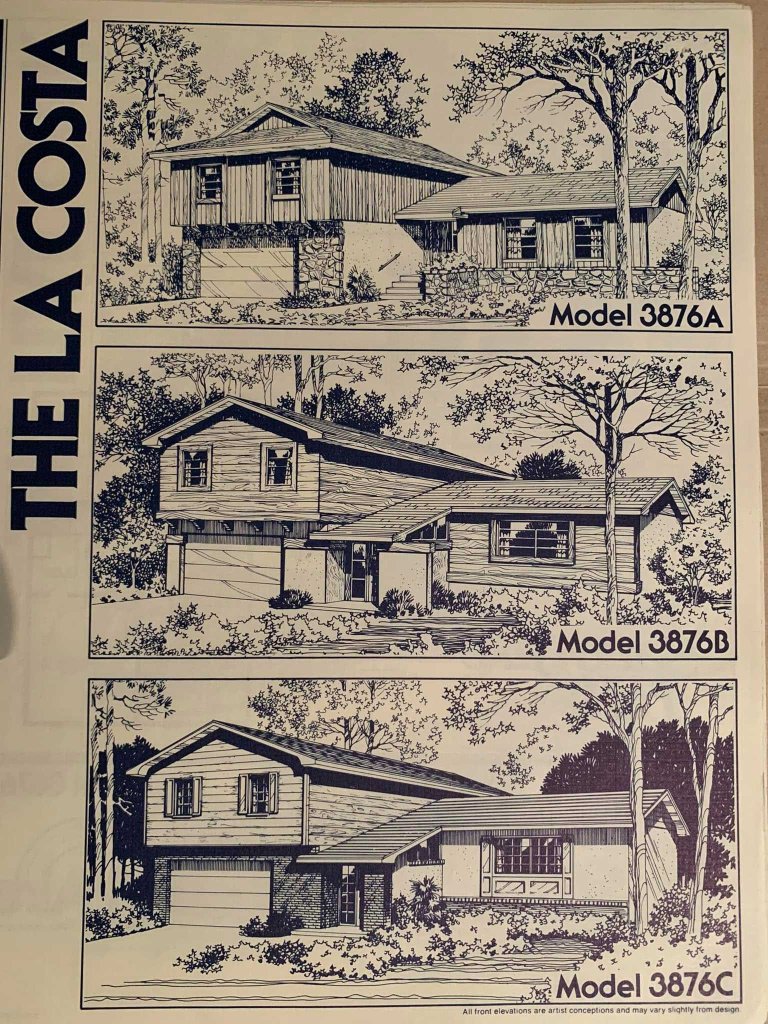
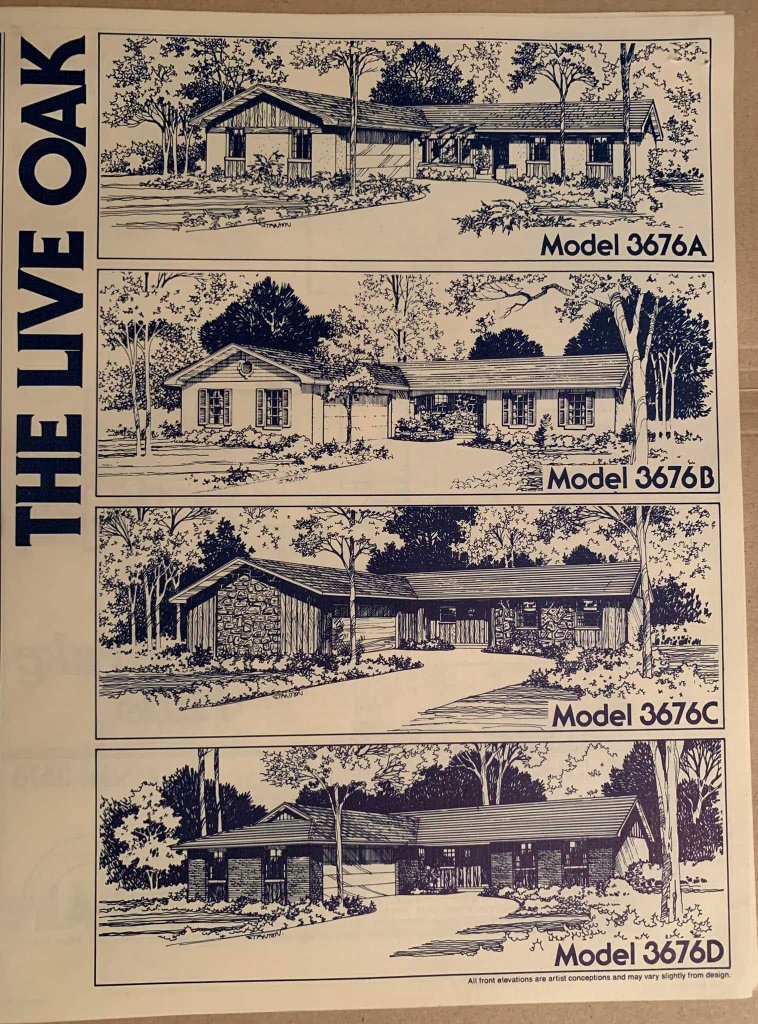
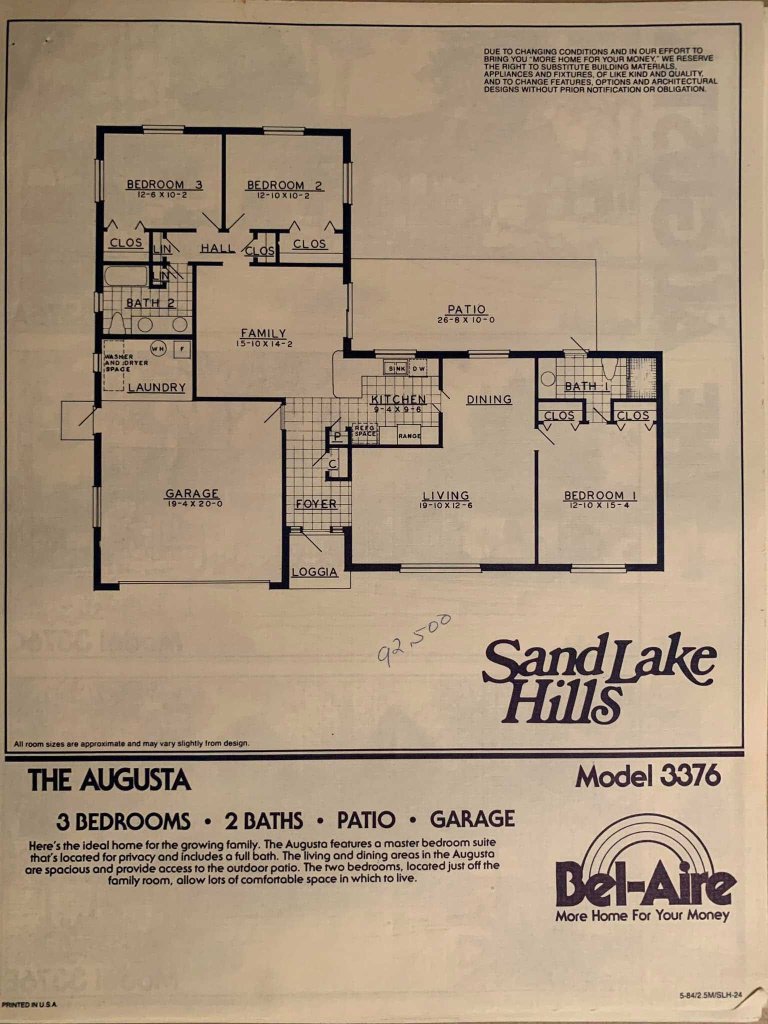
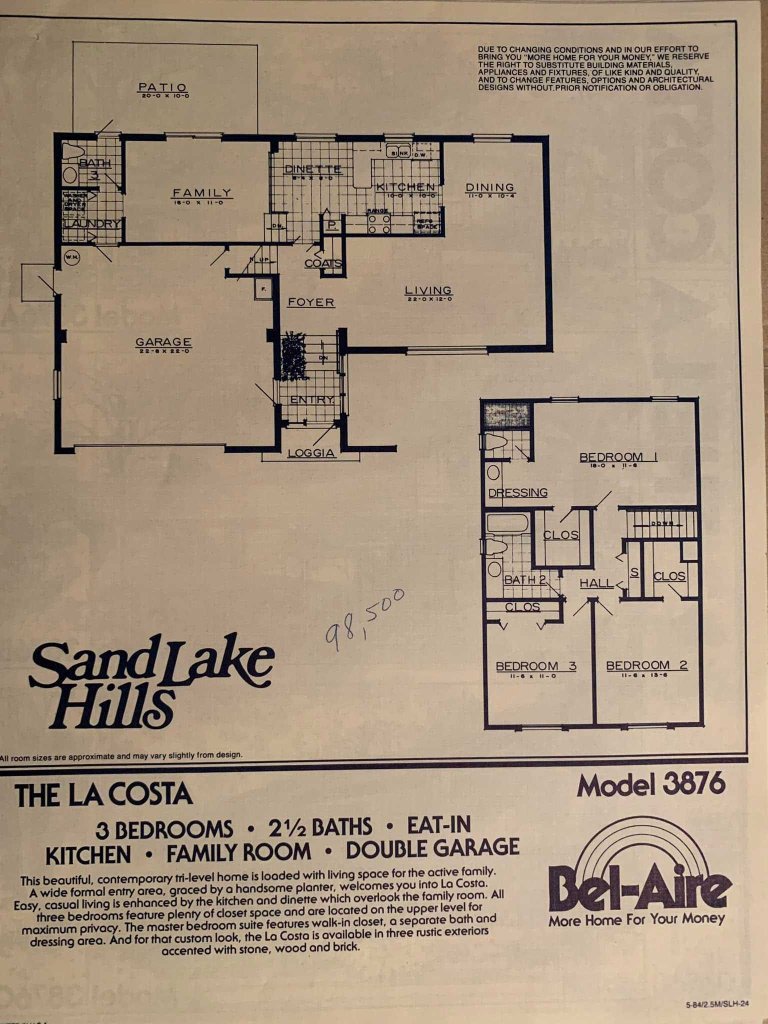
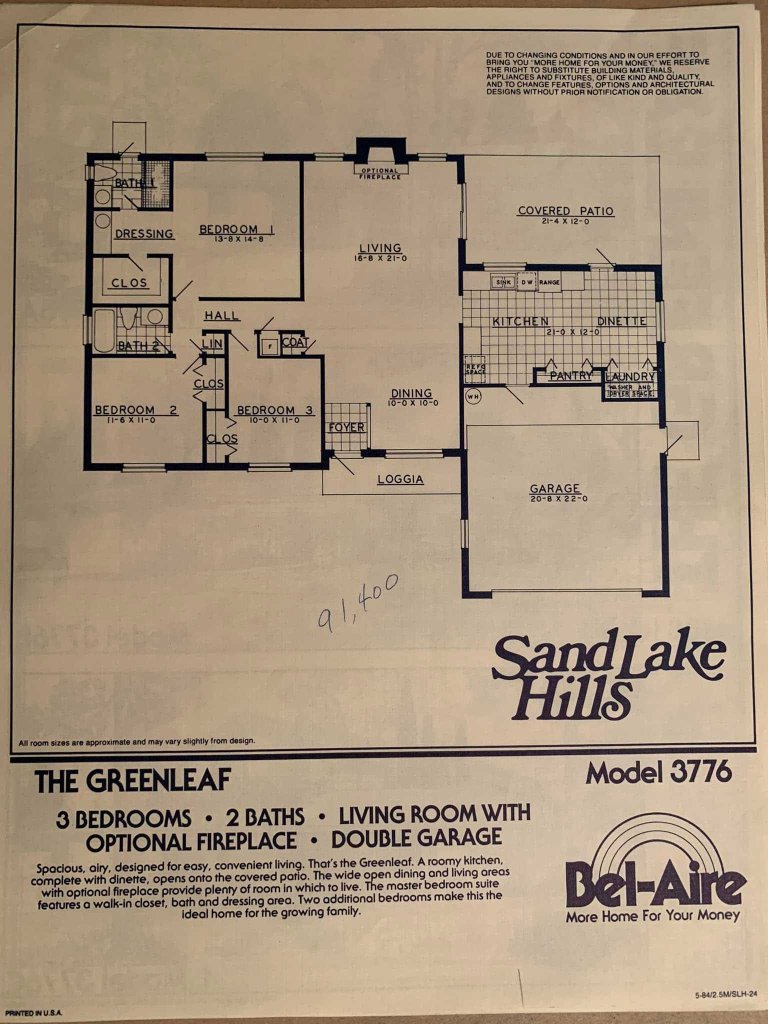
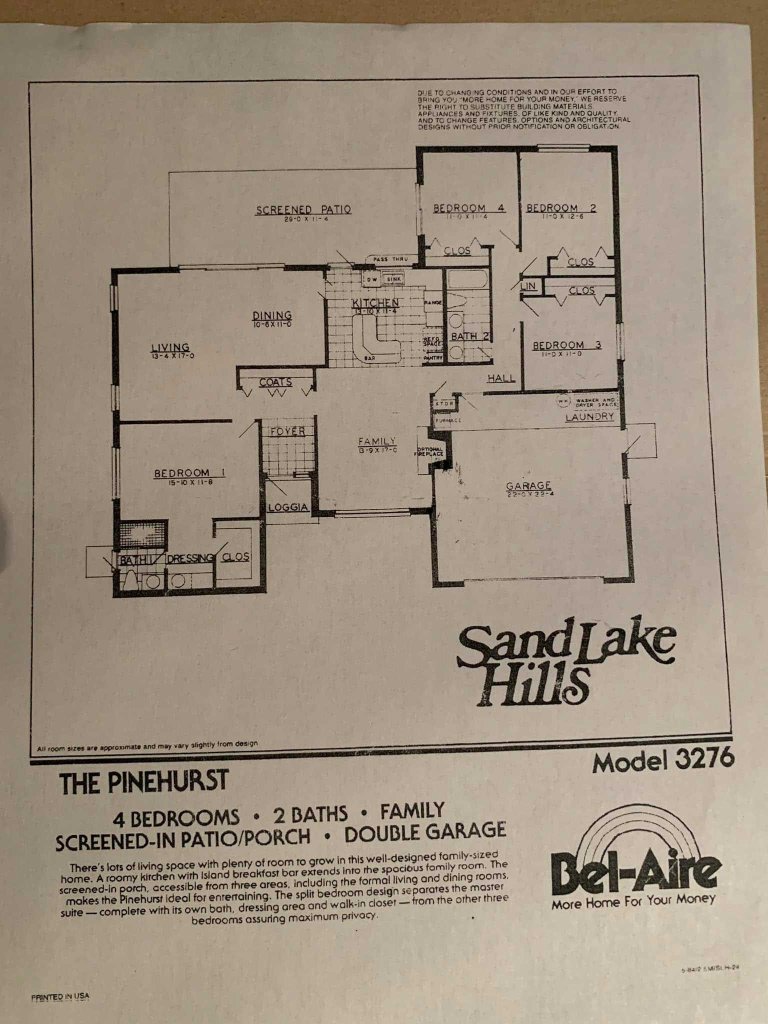
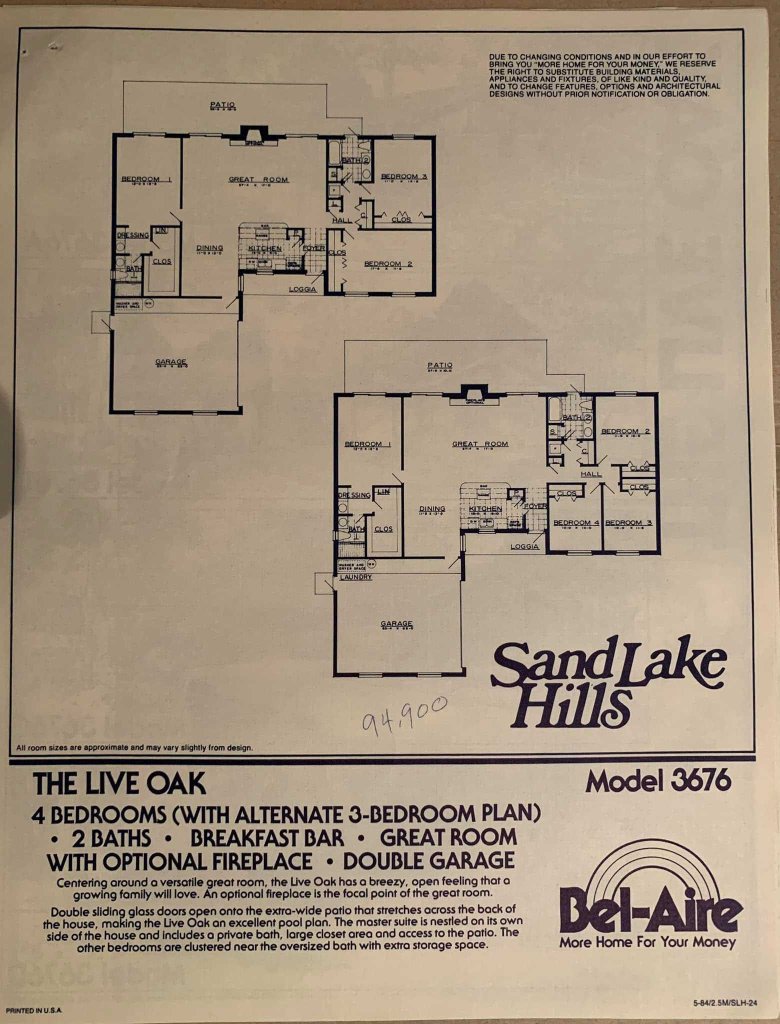
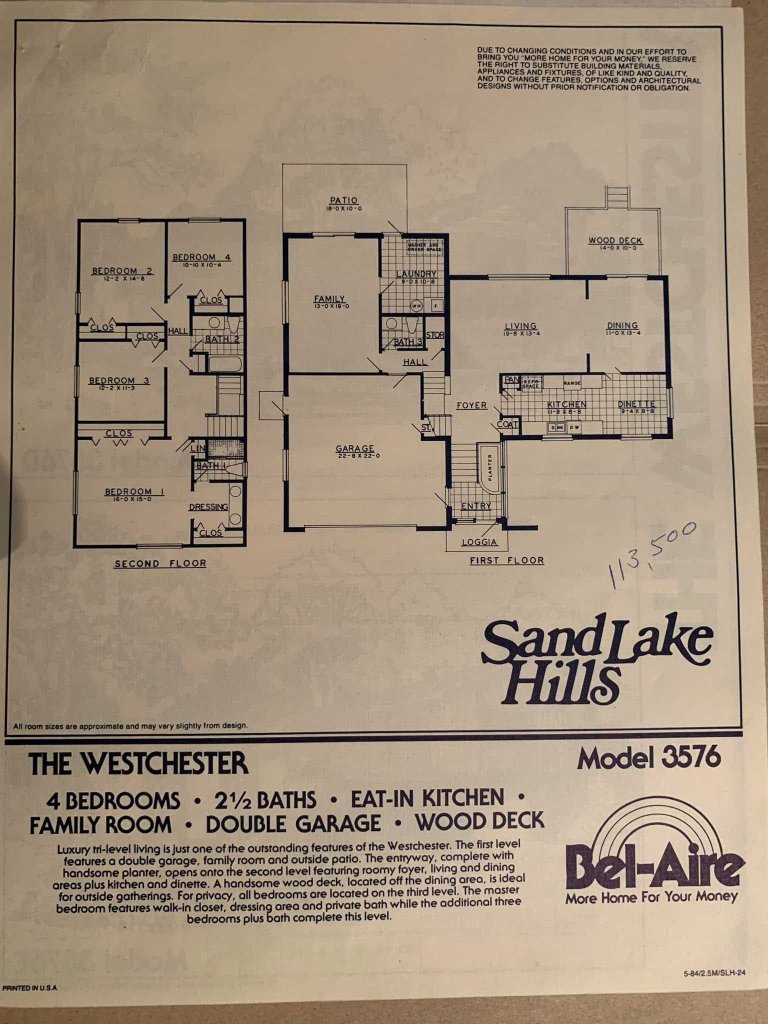
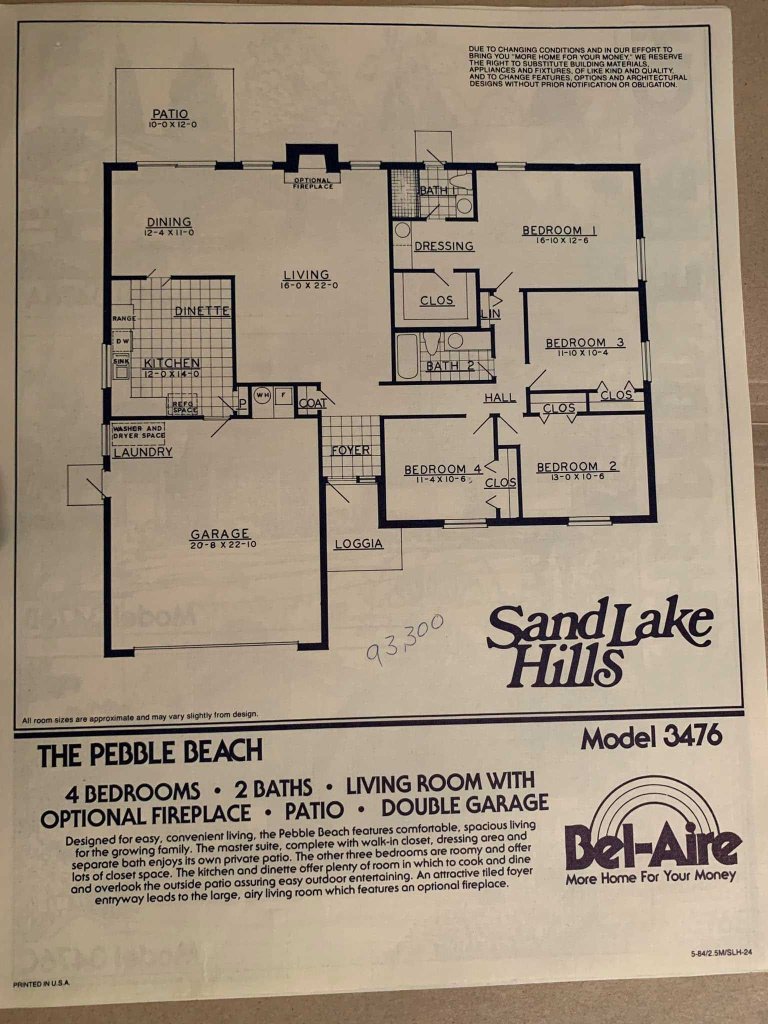
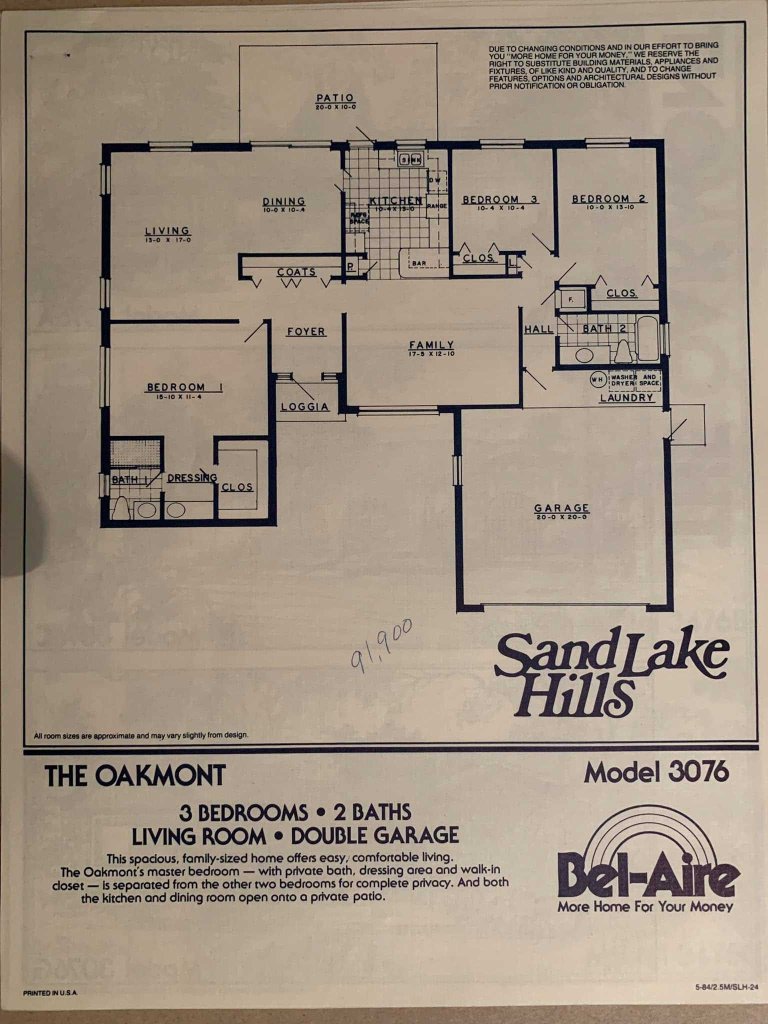
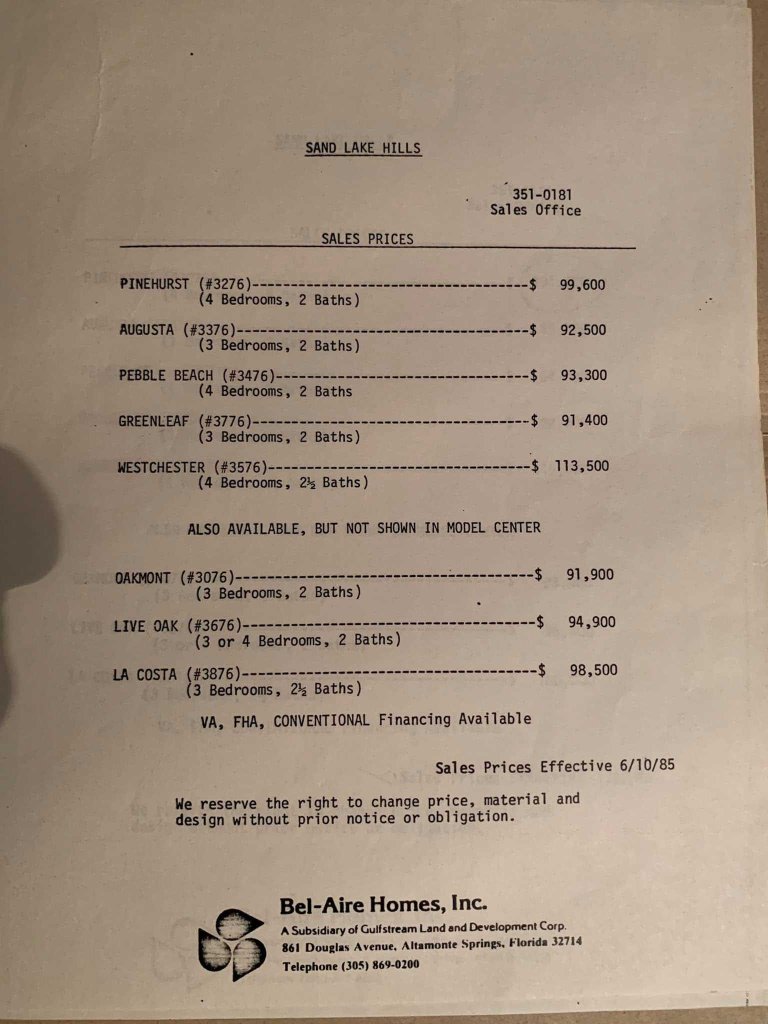
In 1985, prospective homeowners in Sand Lake Hills could choose from new homes with names like the Augusta, Pebble Beach, Pinehurst and Oakmont. Original sales materials from Bel-Aire Homes show eight different models available at the time, with prices starting at $91,400.
More than four decades later, many of those homes are still here. Some remain remarkably close to their original designs. Others have been renovated, expanded and reimagined by the people who have called them home.
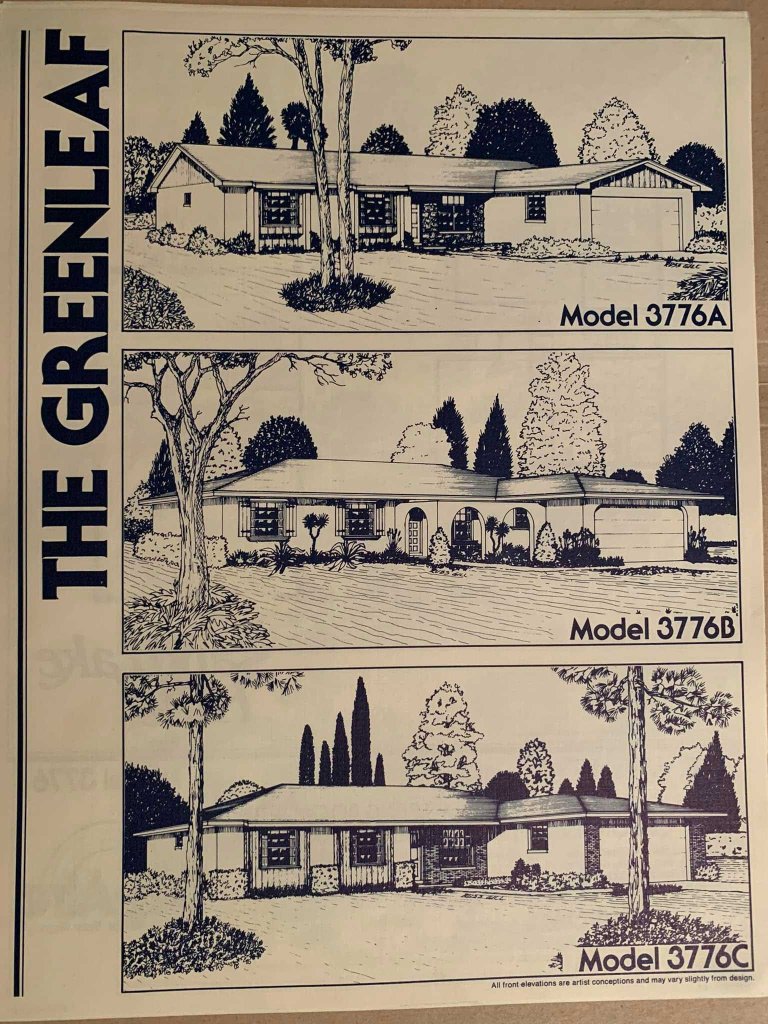
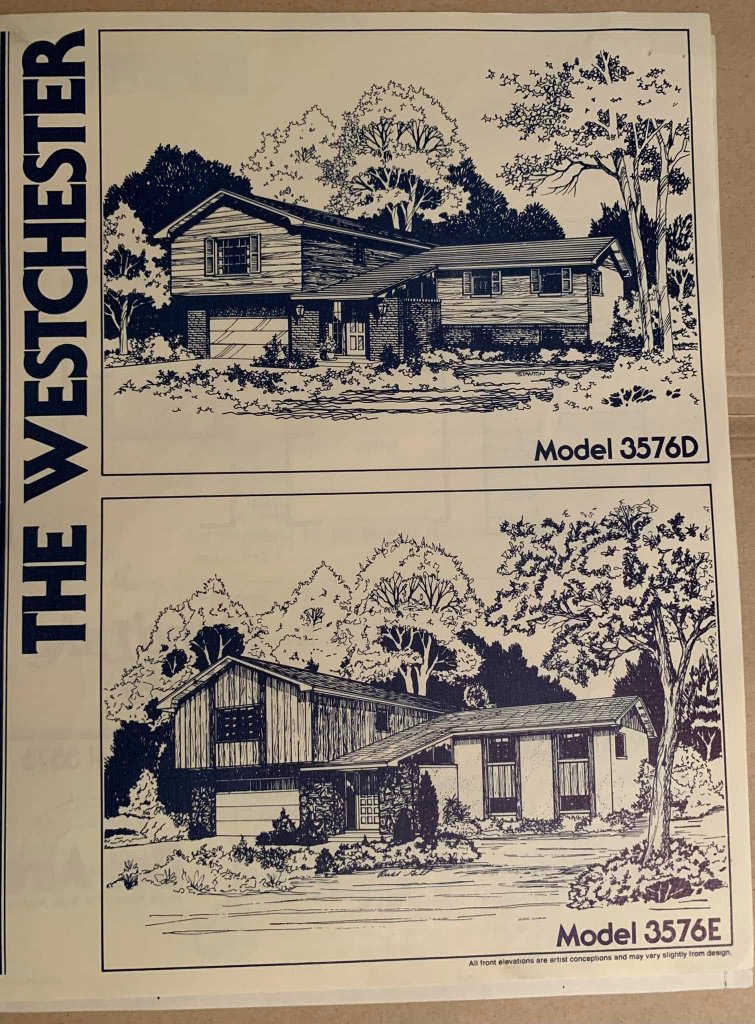
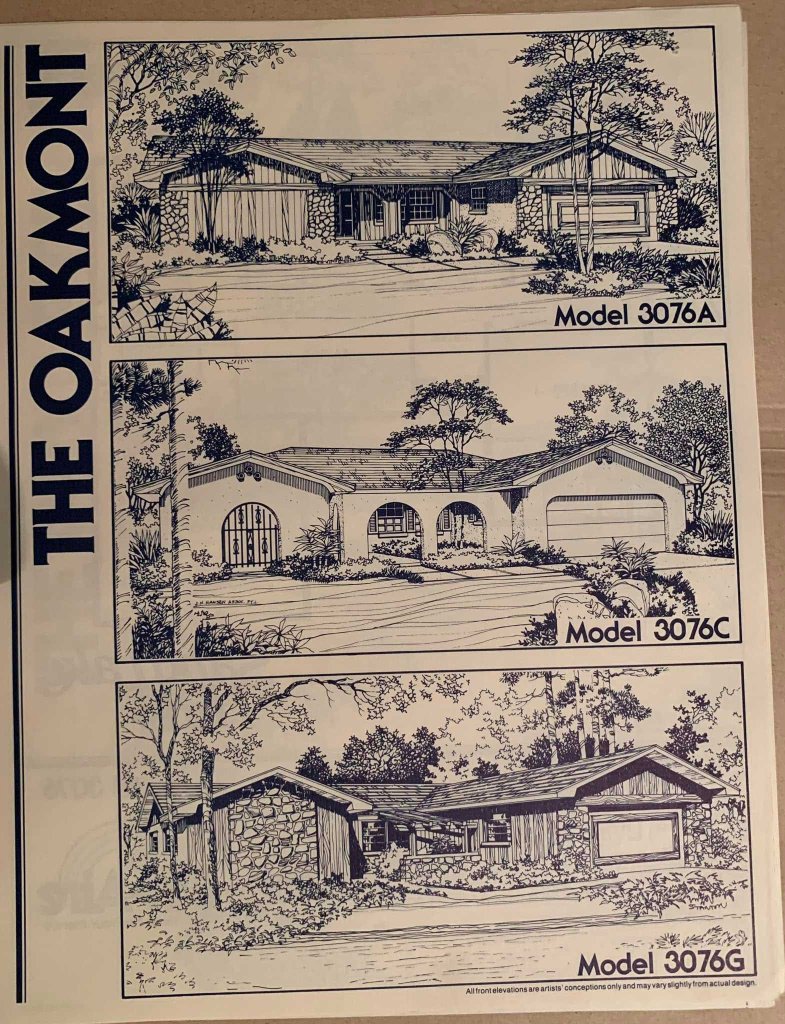
Thanks to Sand Lake Hills resident Shawn Buchholz, we have a collection of original sales materials from Sand Lake Hills Section 10, including architectural renderings, floor plans and a price sheet dated June 10, 1985.
This give us a fascinating look at one chapter in the history of our neighborhood and an opportunity to think about what comes next.
The names themselves offer a little glimpse into the era. Augusta, Pebble Beach, Pinehurst, Oakmont and La Costa borrowed the names of places closely associated with golf and resort living, reflecting some of the lifestyle that suburban Florida developments were selling in the 1980s.
What also stands out is that these houses weren’t all the same.
The rooflines change. Floor plans change. Some designs have courtyards or fireplaces. Others emphasize patios, family rooms or large kitchens. Even within the models, plans could sometimes be reversed, putting the garage on the opposite side of the house.
That variation is still visible throughout Sand Lake Hills today.
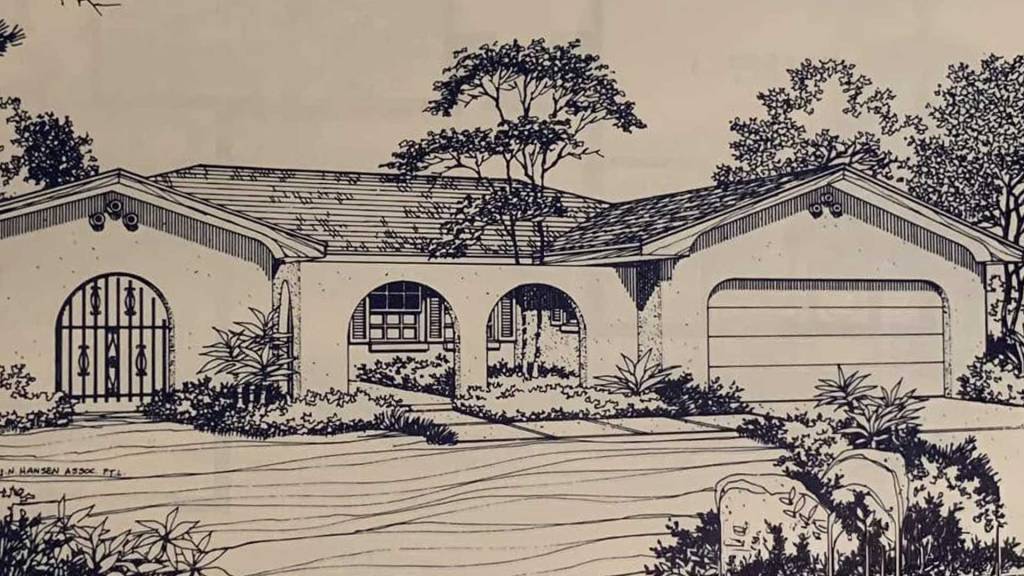
There’s something different about seeing the original drawing of a house you’ve passed hundreds of times.
What might simply look like an older Dr. Phillips home suddenly has a name and an original design behind it.
That history is worth documenting because established neighborhoods never remain frozen in the year they were built, but rather they change with the people who live in them.
Families move in and out. Trees grow. Landscaping changes. Rooms are added. Kitchens are opened up. Exterior colors change. New owners see possibilities the original owners may never have imagined.
Over decades, hundreds of individual decisions become part of the character of a neighborhood.
Sand Lake Hills Was Already Growing Before 1985
The materials Shawn uncovered represent Sand Lake Hills Section 10, but the history of our neighborhood goes back further.
Orange County records reference Sand Lake Hills Section 2 as early as January 1975, when the county established a municipal service taxing unit for street lighting in the neighborhood. The county documents identify the area as part of unincorporated Orange County, which Sand Lake Hills remains today.
By the early 1980s, additional sections of Sand Lake Hills were appearing in county records as the neighborhood continued to grow.
So these 1985 renderings capture one moment within a period in which Dr. Phillips was still being built and many of the mature streets we know today were relatively new.
A Neighborhood With Room for Individuality
One of the interesting things about looking at these plans today is realizing how much Sand Lake Hills has changed without losing the bones of the original neighborhood.
We don’t have an HOA dictating how every property should look. That comes with responsibility. Maintaining and improving an established neighborhood depends heavily on the people who live here.
But it also leaves room for individuality.
A homeowner can rethink a landscape, restore an original architectural detail or completely reinterpret a 1980s interior. One house might embrace its original Florida character while the house down the street takes an entirely different direction.
As Sand Lake Hills enters another chapter of its history, that freedom gives current and future residents an opportunity to help shape what the neighborhood becomes.
What Will Sand Lake Hills Look Like 40 Years From Now?
That’s perhaps the most interesting question these old drawings raise.
The people who first walked through these homes couldn’t have known what Dr. Phillips would become around them. They couldn’t have known how their houses would change, how large those newly planted trees would eventually grow or who would be living here four decades later.
Today, we’re in another period of change.
Longtime residents remain an important part of Sand Lake Hills, carrying memories of a neighborhood many newer residents never experienced. At the same time, new homeowners are arriving with their own ideas about architecture, landscaping and what community can look like.
Both are part of the story.
Our goal as a neighborhood isn’t to recreate 1985. It’s to understand where we came from, care about the place we share and leave Sand Lake Hills better for whoever comes next.
These old renderings are a reminder that neighborhoods are never really finished.
Do You Know Which Sand Lake Hills Model You Live In?
Take a look through the original elevations and floor plans below. You may recognize your own home or one you’ve walked past for years.
We’re interested in preserving more of the history of Sand Lake Hills. If you have original photographs, brochures, floor plans or stories from the neighborhood’s earlier years, we’d love to hear from you.
And if you recognize your house in one of these plans, tell us which model you have.
Special thanks to Sand Lake Hills resident Shawn Buchholz for preserving and sharing these original Bel-Aire Homes materials with the community.
 Sand Lake Hills